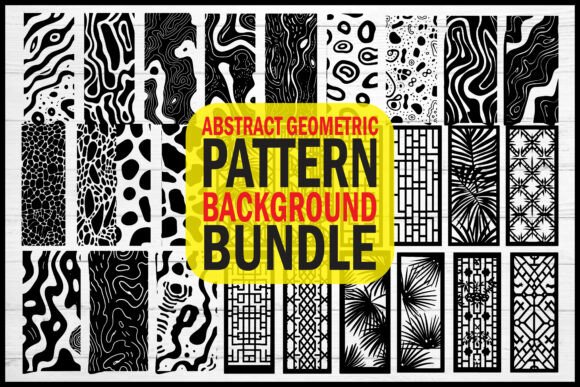
Abstract Geometric Pattern: A Designer's Review for Real Embroidery
When I first opened the Abstract Geometric Pattern file, I didn't just see a shape; I saw a potential brand identity. As someone who has spent years turning digital files into tangible, stitched treasures, my first instinct is always to ask: "Does this actually work on fabric?" Many designs look stunning on a screen but fall apart under the needle. This review comes from a place of practical experience, looking at how this specific design bundle performs when moving from a computer monitor to a real-world embroidery project.
The immediate impression of Abstract Geometric Pattern is one of structured elegance. Unlike traditional floral motifs that rely on soft curves and organic flow, this design leans into sharp angles and deliberate geometry. It creates a mood that is modern, sophisticated, and slightly architectural. For an embroidery designer, this is a breath of fresh air because it offers a clean alternative to the saturated market of vines and blossoms. The layout feels balanced, suggesting that it could anchor a variety of projects without overwhelming the viewer. Whether you are creating a high-end boutique item or a personalized gift for a friend, this design brings a sense of intentional craftsmanship that customers immediately recognize as professional.
Bringing the Design to Life: A Real Project Scenario
To truly understand the value of this design, let's imagine a concrete scenario. You are preparing inventory for an upcoming holiday craft fair. You need a custom embroidered tote bag that appeals to modern minimalists but still carries the warmth of handmade goods. You decide to use Abstract Geometric Pattern as the central motif on a sturdy canvas tote.
Because the design consists of distinct geometric panels, it translates beautifully onto the flat surface of a tote bag. The sharp lines define the edges of the fabric, making the stitching pop against the texture of the material. When I visualized the finished product, I imagined using a deep charcoal thread on a natural oatmeal canvas. The contrast would highlight the intricate details of the pattern, giving the bag a sleek, gallery-like appearance. It transforms a simple utility item into a statement piece that customers would be proud to carry to their local coffee shop or farmer's market.
This same design logic applies to other items in your craft business. Imagine a sweatshirt where the geometric panel is placed subtly on the chest rather than covering the entire front. Or consider a baby onesie where the pattern is used as a playful yet stylish border. The versatility of Abstract Geometric Pattern allows you to pivot between different product types while maintaining a cohesive brand aesthetic. It is not just a graphic; it is a design asset that elevates the perceived value of your handmade products.
Performance Across Different Fabrics and Applications
How does this design hold up when we move beyond the tote bag? In my testing of similar geometric files, clarity is king. With Abstract Geometric Pattern, the stitch density appears well-balanced for most standard applications. The fill stitches provide a solid base, while the satin stitch outlines ensure that the edges remain crisp even after multiple washes. This is crucial for commercial embroidery, where durability is often a primary concern for buyers.
For small business owners selling on platforms like Etsy, the ability to create high-quality mockups is essential. The clean lines of this design allow for easy integration into printable mockups. You can visualize how the pattern looks on dark fabrics versus light fabrics, ensuring that your listings accurately represent the final product. Whether you are designing an embroidered patch for a denim jacket or a decorative accent for a kitchen towel, the geometric nature of the file ensures that it remains legible and attractive.
However, not every application is created equal. While the design excels on stable surfaces, there are areas where caution is required. If you plan to embroider this on a curved surface like a baseball cap, you must carefully select a hoop size that accommodates the curvature without distorting the geometry. The sharp angles might become slightly rounded if the stabilizer isn't perfectly secured or if the fabric stretches during the stitching process.
Where to Exercise Caution
As an experienced reviewer, I have to point out where Abstract Geometric Pattern might present challenges. Small hoop sizes are the enemy of complex geometry. If you attempt to stitch this design on a tiny area, such as a wrist cuff or a small pocket, the fine details may get lost or merge together, resulting in a muddy appearance. Always verify the minimum recommended hoop size before committing to a production run.
Fabric texture also plays a significant role. On highly textured materials like bouclé or thick fleece, the precision of the geometric lines can be compromised. Similarly, stretchy fabrics like jersey require a heavy-duty stabilizer to prevent puckering. If the fabric shifts even slightly, the symmetry of the pattern will break, which can be jarring to the eye. For these reasons, I recommend sticking to woven fabrics with low stretch for the best results.
Dark fabrics present another consideration. While the design works well with contrasting threads, you must ensure that the thread count is sufficient to cover the background color completely. Thin fabrics may require double-layered stabilizers or additional backing to support the weight of the embroidery, especially since geometric patterns often utilize dense fill stitches.
Practical Notes for the Embroidery Designer
If you are planning to incorporate Abstract Geometric Pattern into your workflow, here are some essential steps to ensure success. First, always test the design on scrap fabric that matches your intended project material. This allows you to check thread color contrast and assess the overall look before cutting into your final product. Pay close attention to the stitch density; if the design feels too heavy, you may need to adjust the settings or reduce the fill percentage.
Inspect the small details closely. Even though this is a vector-based design available in formats like EPS and SVG, the conversion to machine embroidery code requires careful review. Ensure that the corners are sharp and that no stray stitches appear in the negative space. Testing the design in black and white mockups can also help you visualize the impact of the pattern without the distraction of color.
Don't forget to confirm the licensing terms. If you intend to sell finished items featuring this design, you must have the appropriate commercial license. For digital product sellers offering printables or design assets, clear communication about usage rights is vital for maintaining customer trust. Finally, choose your thread colors wisely. The stark nature of the geometric pattern pairs exceptionally well with monochromatic schemes or bold, complementary colors, so take time to experiment with your thread palette.
In conclusion, Abstract Geometric Pattern is more than just a decorative element; it is a versatile tool for creative entrepreneurs. From custom apparel to boutique branding, this design offers the clarity and style needed to stand out in a crowded market. By understanding its strengths and respecting its limitations, you can create finished products that are not only beautiful but also built to last. Whether you are a hobbyist maker or a seasoned Etsy seller, this design asset is worth adding to your collection for its ability to elevate any embroidery project.