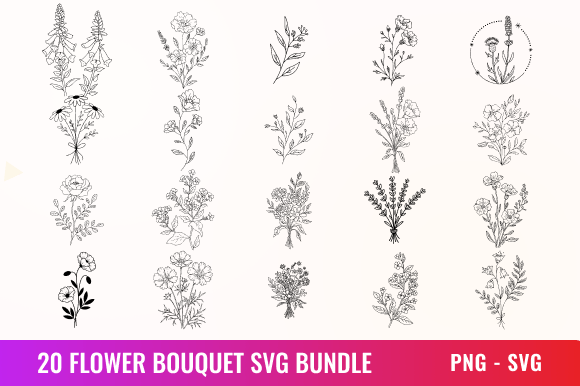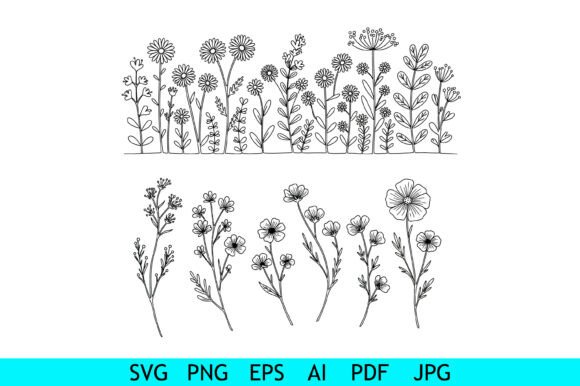
Hand Drawn Wildflower Line Art
As a designer who has spent years turning digital files into tangible stitched treasures, I approach every new asset with a mix of excitement and skepticism. The market is flooded with generic clip art, but there is something distinct about Hand Drawn Wildflower Line Art. When I first laid eyes on this collection of botanical line drawings, I didn't just see a graphic; I saw potential for a cohesive brand identity or a heartfelt custom gift. My goal here is to strip away the marketing fluff and look at how this design actually performs when it moves from your screen to the hoop.
The initial impression of Hand Drawn Wildflower Line Art is one of organic movement. Unlike rigid vector shapes that feel cold and manufactured, these sketches capture the whimsical chaos of nature. The lines vary in weight, mimicking the delicate strokes of a fountain pen or a fine brush. This "hand-drawn" quality is crucial because it translates beautifully to embroidery. It avoids the robotic perfection that can sometimes make machine stitching look cheap. Instead, it invites the viewer to appreciate the imperfection, which is exactly what makes handmade goods so valuable.
From Screen to Stitch: A Real-World Scenario
To understand the true value of this design, let's imagine a practical scenario. You are an Etsy seller preparing a batch of custom embroidered tote bags for a local spring craft fair. Your target audience loves cottagecore aesthetics, sustainable fashion, and unique, artisanal touches. You need a design that looks sophisticated enough to command a higher price point but casual enough to fit a weekend vibe.
This is where Hand Drawn Wildflower Line Art shines. If you were using a dense, heavily filled floral design, you might struggle with fabric puckering on a canvas tote. However, the outline nature of this design allows for a lighter touch. Imagine stitching this on a natural linen tote bag using a high-quality variegated thread. The running stitches would follow the flow of the petals, creating a soft, sketch-like texture rather than a solid block of color. It elevates a simple canvas bag into a boutique-quality item. Customers browsing a booth full of mass-produced merch would likely gravitate toward this piece because it feels personal and carefully considered.
Versatility Across Product Categories
The beauty of this graphics asset lies in its adaptability. While it is categorized under Crafts and Graphics, its application extends far beyond simple decoration. For small business owners, having a versatile design file means you can create multiple revenue streams without designing from scratch every time.
Consider the possibilities for custom apparel. On a sweatshirt, this design could be executed as a large chest pocket detail or a centered back print. The line art style works exceptionally well for sweatshirt embroidery because it doesn't require heavy density that would make the garment stiff. For baby embroidery, such as on a onesie or a nursery blanket, the gentle curves of the wildflowers convey safety and softness. Parents looking for personalized gifts often want something that feels timeless, and botanical line art rarely goes out of style.
It also fits perfectly into home decor. Picture a set of kitchen towels featuring different variations of the wildflower sketch. Or perhaps a pillow cover for a reading nook. The design's simplicity allows it to sit comfortably alongside other patterns without competing for attention. For embroidered patches, the clean outlines make cutting and finishing edges much easier compared to complex, multi-colored fills. Whether you are creating holiday embroidery pieces for seasonal sales or building a library of design assets for future projects, this file offers a solid foundation.
Navigating Technical Challenges
However, not every surface is a good match for this specific aesthetic. As an experienced reviewer, I must highlight where Hand Drawn Wildflower Line Art requires caution. The primary concern is the scale of the details. Because the design relies on thin lines to convey its character, attempting to stitch it in a very small hoop size can result in lost definition. If the lines are too close together, the needle may push them into each other, blurring the intended sketch effect.
Fabric choice is equally critical. Textured fabrics like heavy bouclé or thick corduroy can obscure the fine details of the line work. Similarly, stretchy knits present a challenge; without proper stabilization, the tension of the stitching can distort the delicate curves, making the flowers look warped. Dark fabrics also pose a risk if you plan to use white or light threads, as the contrast might not be sharp enough to define the lines clearly unless you use a specific underlay technique.
Furthermore, items that undergo frequent washing, such as aprons or dishcloths, should be tested thoroughly. While the design itself is durable, the visual impact of thin lines can fade over time if the thread count isn't sufficient. Curved surfaces like caps require careful digitizing adjustments to ensure the perspective remains correct, as the natural flow of the hand-drawn lines might clash with the curvature of the hat if not adjusted properly.
Practical Designer Notes for Success
If you are planning to use this file for commercial purposes or serious client work, do not skip the testing phase. Here is my checklist for ensuring Hand Drawn Wildflower Line Art delivers professional results:
- Test on scrap fabric first: Always run a test stitch-out on the same material you intend to sell. This reveals how the thread interacts with the weave and whether the stabilizer holds up.
- Check thread color contrast: Ensure the thread colors chosen provide enough contrast against the background fabric to maintain the integrity of the lines.
- Review stitch density: Since this is a line art design, you want to avoid excessive density that creates bulk. Opt for a lighter fill or rely on satin and running stitches to mimic the original sketch.
- Confirm hoop size: Verify that the dimensions of the design fit within your standard hoop sizes to avoid re-digitizing costs later.
- Inspect small details: Zoom in on the finest points of the drawing. Are they too thin to stitch reliably? If so, you may need to slightly thicken the lines in your editing software before importing the file.
- Test black and white mockups: Sometimes color distracts us from structural issues. View the design in grayscale to ensure the composition balances well regardless of thread color.
- Use proper stabilizer: For line art on unstable fabrics, a cut-away stabilizer is often necessary to prevent distortion after washing.
- Licensing check: Before selling finished items, confirm the license terms provided with the download. Some designs allow personal use only, while others permit commercial production of physical goods.
Final Thoughts on Visual Appeal and Value
In the world of craft business and Etsy sellers, perception is everything. A design that looks rushed or overly dense can undermine customer trust. Hand Drawn Wildflower Line Art, when executed correctly, signals professionalism and artistic intent. It suggests that the maker put thought into the project, which justifies a higher price point for small shop products.
The design's ability to blend into various contexts—from apparel decorators working on corporate polos to creative entrepreneurs launching a handmade brand—makes it a versatile addition to any digital library. It strikes a balance between trendy and timeless, ensuring that your finished product remains relevant for seasons to come. By understanding the nuances of how line art behaves in thread form, you can leverage this asset to create memorable, high-quality items that customers will cherish. Just remember to respect the medium, test your workflow, and let the organic beauty of the design guide your creative decisions.