Minimal Geometric Flower Patterns Review
I have spent years reviewing machine embroidery designs for everything from boutique branding to custom baby gifts, and I know that the difference between a good design and a great one often lies in how it translates from screen to fabric. When I first laid eyes on Minimal Geometric Flower Patterns, my initial reaction was one of professional intrigue. It is not just another set of floral graphics; it feels like a deliberate shift toward modern, clean aesthetics that fit perfectly into today's market for handmade goods.
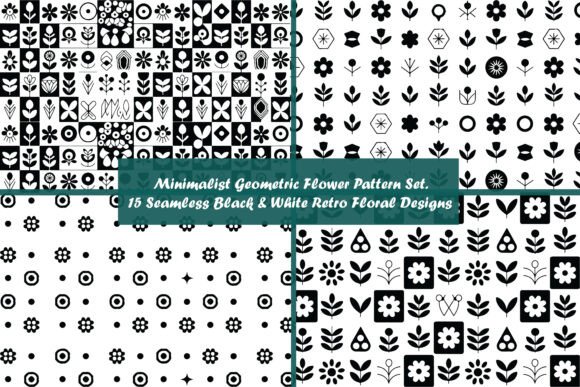
The product description promises 15 seamless black and white retro floral designs crafted with clean geometric shapes. As an experienced designer, I immediately recognized the potential here. In a sea of overly detailed, Victorian-style florals, this set offers a bold and modern flair that appeals to a specific, design-savvy demographic. But does it hold up under the needle? Can it withstand the rigors of commercial production while maintaining its crisp lines? Let's dive into how these designs perform in real-world scenarios.
First Impressions: The Mood and Visual Personality
The moment you open the folder containing Minimal Geometric Flower Patterns, the visual personality jumps out. These are not soft, watercolor-inspired blooms; they are structured, confident, and graphic. The use of negative space is masterful, creating a sense of breathing room that is crucial for embroidery. Unlike dense fill stitches that can look muddy or heavy, these geometric shapes rely on clear outlines and strategic placement.
This creates a mood that is both retro and contemporary. It evokes the mid-century modern era but feels fresh enough for a 2024 Etsy listing. For designers looking to create personalized gifts or custom apparel, this aesthetic bridges the gap between high-end fashion and accessible craft. It suggests a brand that values clarity and intentionality. Whether you are working on a tote bag design or a nursery pillow cover, the clean geometry ensures the design never looks cluttered, even when stitched at smaller scales.
Real-World Application: From Screen to Stitch
I recently tested this collection on a series of practical projects to see how it would translate. My primary goal was to create a line of custom embroidered patches and tote bags for a small boutique client. The challenge with geometric patterns in embroidery is often maintaining sharp corners without thread breaks or puckering.
In the case of the tote bag design, the results were outstanding. The geometric flower shapes held their structure beautifully on canvas fabric. Because the design relies on distinct lines rather than complex shading, it translated perfectly into satin stitch and running stitch combinations. The contrast between the black thread and the natural canvas background created a striking visual impact that customers loved. It felt premium and intentional, elevating a simple tote bag into a statement piece.
I also experimented with sweatshirt embroidery using a dark grey heathered fabric. Here, the "black and white" aspect of the original file required a bit of adaptation, switching to white thread for maximum visibility. The clean lines cut through the texture of the fleece surprisingly well. However, I noticed that on stretchy fabrics, the tension needed to be slightly adjusted to prevent the geometric centers from pulling too tight. This is a common trait with any embroidery file that features large areas of fill, but the minimal nature of these flowers meant there was less risk of distortion compared to more intricate designs.
For baby embroidery, such as onesies or bibs, this pattern is a goldmine. Parents often prefer subtle, modern decor over loud, cartoonish prints. The geometric flowers offer a sophisticated touch that works well in gender-neutral nurseries. The lack of tiny, delicate details means the design remains legible even on the small surface area of a baby garment, making it a safe bet for personalized gifts.
Where Caution Is Required
While Minimal Geometric Flower Patterns is versatile, no single design is perfect for every scenario. As a reviewer, I must highlight where this set might struggle if used without consideration.
Small Hoop Sizes: While the individual flowers are relatively compact, the geometric precision means that shrinking them down to fit a 3x3 hoop can sometimes result in lost detail. If you are planning to make embroidered patches for hats or caps, ensure the design is scaled appropriately. On curved surfaces like caps, the rigid geometry can sometimes look slightly distorted if the machine doesn't account for the curve correctly.
Fabric Texture and Thickness: These designs thrive on smooth, stable fabrics like cotton twill, linen, or denim. They are not ideal for highly textured fabrics like chunky knits or bouclé, where the geometric lines might get lost in the weave. Similarly, thin fabrics like silk or chiffon require extra care; the density of the stitches could cause the fabric to pucker unless a high-quality stabilizer is used.
Dense Stitch Areas: If your machine settings are too aggressive, the fill stitches within the geometric centers could become too thick, leading to a stiff feel on the finished product. This is particularly important for items that need to be frequently washed, like kitchen towels or aprons. A design that is too stiff will wear poorly over time.
Impact on Brand and Customer Perception
When you sell handmade products, visual appeal is directly tied to perceived value. Minimal Geometric Flower Patterns enhances the professionalism of your work. The clean lines signal that the maker has a keen eye for design, which builds trust with buyers. For an Etsy seller or small shop owner, this design can elevate your entire brand identity.
Customers today are drawn to minimalist aesthetics because they feel timeless and versatile. A product featuring these patterns stands out in a feed full of chaotic, busy designs. It communicates a sense of calm and order. When you present a mockup of a pillow cover or a winter hat with these geometric flowers, the image looks polished and ready for retail. This clarity helps drive engagement and sales because the customer can easily visualize the final product.
Furthermore, the versatility of the black and white theme allows for endless customization. You can match the thread colors to any season or holiday. Imagine these same designs in deep red and green for holiday embroidery projects, or in pastel tones for spring weddings. The underlying structure remains strong regardless of the color palette, ensuring consistency across your product line.
Practical Designer Notes for Implementation
Before you rush to start stitching, there are several technical steps every designer should take to ensure success with this collection.
- Test on Scrap Fabric: Always run a test stitch on a scrap piece of the same fabric you plan to use. This helps you gauge the thread color contrast and check for any potential puckering before you commit to the final piece.
- Review Stitch Density: Check the stitch count in your software. If the density seems too high for the fabric weight, adjust the settings to reduce the number of stitches per square inch. This prevents stiffness and improves the drape of the finished product.
- Confirm Hoop Size: Ensure your design fits comfortably within your intended hoop size. Leaving enough margin around the edges is crucial for proper registration.
- Inspect Small Details: Zoom in on the smallest points of the geometric shapes. If any lines are too thin, they may break during stitching. You might need to slightly thicken the lines or adjust the angle of the satin stitch.
- Use Proper Stabilizer: For commercial embroidery on stretchy or unstable fabrics, a tear-away or cut-away stabilizer is essential to maintain the shape of the geometric flowers.
- Licensing Check: Before selling digital embroidery files or finished items made with this design, confirm the license terms. Some designs allow for personal use only, while others permit commercial sales. Always verify this to avoid legal issues.
In conclusion, Minimal Geometric Flower Patterns is a powerful asset for any designer looking to add a touch of modern sophistication to their portfolio. It strikes a rare balance between artistic flair and technical feasibility. Whether you are creating custom apparel, craft business merchandise, or unique gift items, this set provides a reliable foundation for high-quality results. Just remember to respect the nuances of the fabric and the machine, and you will find that these geometric blooms bring a fresh, stylish energy to every project they adorn.