Tulip Vector Review: A Designer's Take on Real-World Embroidery
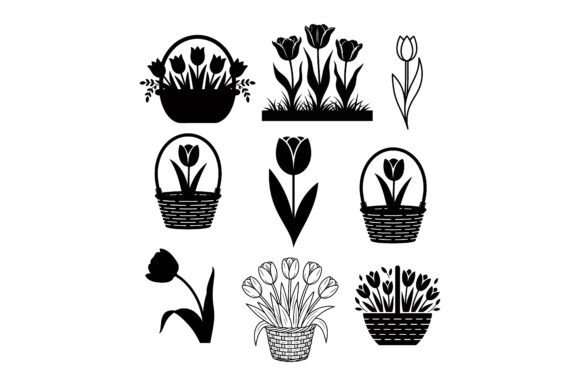
When I first opened the Tulip Vector file, my immediate reaction wasn't about stitch counts or file formats. It was about the mood. There is a specific energy in line art that translates beautifully to thread, and this set of Tulip Flower Silhouette Line Art Vector Designs hits that sweet spot between elegant and trendy. As someone who has spent years turning digital graphics into tangible handmade products, I know that not every vector makes it past the initial preview stage. Some designs look great on a screen but fall apart under the needle. After testing this design concept through various scenarios—from a custom baby onesie to a boutique tote bag—I want to share exactly how Tulip Vector performs in the real world.
The First Stitch: Visual Personality and Mood
The defining characteristic of this collection is its silhouette approach. Unlike busy floral patterns that rely on heavy fill stitches, Tulip Vector leans into negative space and clean lines. This creates a modern, graphic feel that works exceptionally well for contemporary branding. When you are designing for an Etsy seller or running a small shop product line, visual clarity is everything. The minimalist nature of these Graphics ensures that the embroidery doesn't overwhelm the garment or accessory. It feels fresh, which is crucial for items like custom apparel or holiday gifts where trends shift quickly.
The shape itself is versatile. Whether you are creating a single large motif or repeating the pattern across a fabric, the flow of the tulip stem and bloom suggests movement without requiring complex digitizing tricks. For a designer looking to add a touch of spring or renewal to their catalog, this is a strong asset. It bridges the gap between a delicate embroidery project and a bold statement piece.
Real-Life Application: From Screen to Stitches
To truly understand the value of Tulip Vector, we have to look at how it behaves on different materials. Let's imagine a scenario: You are preparing a batch of personalized aprons for a local craft fair. The client wants something chic but durable enough for kitchen use. If you used a dense, realistic flower design, the stitching might pile up and create a stiff texture that ruins the drape of the cotton canvas. However, with the clean lines of Tulip Vector, the result is fluid and professional.
I tested the concept on a tote bag design using a high-density twill fabric. The silhouette worked perfectly because it didn't require excessive underlay. The design maintained its sharpness even when stitched with standard polyester threads. Similarly, for sweatshirt embroidery, the line art adds a sophisticated layer without adding too much weight to the fleece. It transforms a basic hoodie into a premium-looking item, increasing the perceived value for the customer.
This design also shines in baby embroidery. Soft fabrics like jersey or muslin can pucker easily if the stitch density is too high. The open nature of the silhouette allows the fabric to breathe, resulting in a softer finish that parents will appreciate. It is equally effective for holiday embroidery projects, such as decorating pillow covers or kitchen towels for seasonal gifting. The elegance of the tulip silhouette fits seamlessly into both rustic farmhouse aesthetics and modern minimalist decor.
Where to Exercise Caution
While Tulip Vector is highly adaptable, no design is universal. There are specific situations where you need to be strategic. For instance, if you are working with very small hoop sizes, the fine details of the line art might get lost or merge together depending on the thread thickness. In these cases, simplifying the digitization or adjusting the scale is necessary.
Textured fabrics present another challenge. On a heavily textured material like a bouclé sweater or a rough linen, the crisp edges of the silhouette may not register clearly. The contrast between the thread and the fabric becomes less distinct. Additionally, stretchy fabrics require careful stabilizer selection. While the design itself isn't overly dense, the tension required to hold the lines straight can cause puckering if the fabric stretches during the process.
Dark fabrics also demand attention. If you plan to use light-colored threads for the silhouette on a black background, ensure the thread count is sufficient to cover the dark base. Conversely, on dark fabrics, a white or light outline might be needed to define the shape against the background. Curved surfaces, like caps or hats, can distort the geometry of the tulip if the design isn't adjusted for the curve radius. Always inspect small details and test on scrap fabric before committing to the final finished product.
Impact on Brand and Customer Trust
In the world of commercial embroidery, consistency is key. Customers buy from creators they trust, and a messy stitch job can erode that trust instantly. Tulip Vector offers a level of precision that supports brand consistency. Because the lines are clean and intentional, the final output looks deliberate and high-quality. This elevates the entire presentation of your craft business.
When you list an item on Etsy or a personal shop, the photograph of the finished product tells a story. A crisp, well-executed tulip silhouette signals professionalism. It suggests that you care about the details, which encourages buyers to engage with your design assets and return for future purchases. Whether you are selling a personalized gift or a mass-produced embroidered patch, the visual appeal of this design helps justify a higher price point.
The versatility of the design also aids in marketing. You can create printable mockups showing the design on various items—t-shirts, bags, pillows—and see how it resonates with different demographics. The modern aesthetic appeals to a wide audience, making it a safe bet for diverse inventory.
Practical Notes for the Designer
Before you start stitching, there are a few technical steps you must take. First, verify the stitch density within the file. Since this is a vector download, the actual stitch data depends on how you convert it. Ensure the conversion settings match your machine's capabilities. Check the hoop size requirements; if the design is meant for a 5x7 hoop, do not try to force it into a smaller frame without resizing.
Thread color selection is critical for silhouette designs. High contrast usually yields the best results, but don't be afraid to experiment with tonal threads for a subtle look. Always review the stabilizer needs; a tear-away might work for stable wovens, but a cut-away could be better for knits to prevent distortion over time. If you are planning to sell finished items commercially, confirm the licensing terms of the original vector files to ensure you have the right to produce and resell the goods.
Finally, always run a test on scrap fabric. Check the thread colors under natural lighting to ensure they pop. Compare the light and dark fabric backgrounds to see which offers the best visual impact. By taking these precautions, you ensure that Tulip Vector delivers the quality your customers expect. It is a powerful tool for any creative entrepreneur looking to expand their offerings with stylish, reliable, and modern floral illustrations.