Peony Silhouette Design: A Designer's Real-World Review
As a professional designer who has stitched thousands of designs for clients and craft businesses, I know that the difference between a good product and a great one often lies in the details. When I first encountered Peony Silhouette Design, my initial reaction wasn't about the file format or the download speed; it was about the mood. There is something undeniably elegant about a silhouette that captures the essence of a flower without getting bogged down in unnecessary petals. This Illustrations category entry promises to be trendy and modern, but does it hold up when transferred from a screen to a piece of fabric? I decided to put this embroidery design through its paces on a few real-world projects to see if it truly delivers for small business owners and hobbyists alike.
The First Impression: Mood and Visual Personality
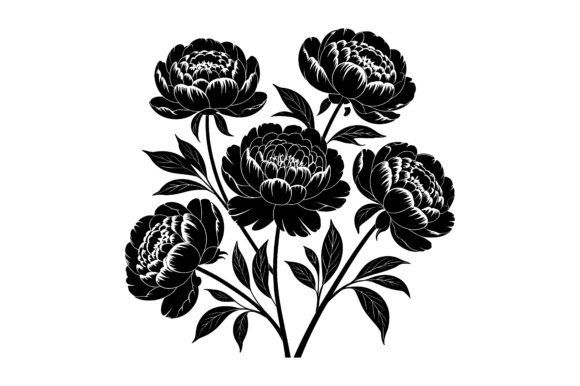
The Peony Silhouette Design immediately strikes me as sophisticated yet approachable. In the world of embroidery, silhouettes are tricky. They can easily look flat or like a simple outline if not executed with care. However, this Graphics asset feels substantial. The curves of the peony are fluid, suggesting a softness that translates beautifully into thread. It creates a visual personality that is both classic and contemporary, making it perfect for brands that want to convey quality without being overly ornate.
For an Etsy seller or a boutique owner, this kind of aesthetic is gold. It doesn't scream "craft fair" in a cheap way; instead, it whispers "handmade luxury." The line art vector style ensures that the shapes remain crisp, which is exactly what you need when you are aiming for a clean, professional finish on a finished product. Whether you are looking at this as a standalone tote bag design or a subtle accent on a baby item, the shape itself commands attention.
Real-World Application: From Screen to Stitch
To truly understand the value of this embroidery file, I imagined a scenario where I am preparing a custom order for a client. Let's say a bride wants a personalized gift for her bridesmaids: embroidered aprons for their wedding day preparations. I pulled out the Peony Silhouette Design and placed it on a mockup of a high-quality linen apron. The immediate thought was how the simplicity of the silhouette would contrast against the texture of the fabric.
In this context, the design works exceptionally well. Because the lines are continuous and flowing, it avoids the "cluttered" look that sometimes happens with dense floral fills on textured materials. I envision using a satin stitch for the outer edge to give it a polished, raised feel, while perhaps using a running stitch for internal details if the file supports them. This combination would add depth without overwhelming the delicate nature of the peony shape.
I also considered using this embroidery project on a sweatshirt for a holiday gift. The silhouette is large enough to make a statement on a chest pocket area or centered on the back, yet refined enough not to look like a cartoon. For a custom apparel piece, the clean lines allow the thread color to do the talking. If I chose a deep burgundy thread on a charcoal grey shirt, the result would be moody and chic. On a white t-shirt, it could pop with a vibrant coral or soft blush pink. The versatility here is significant for anyone selling small shop products.
Where to Be Cautious: Fabric and Size Constraints
While the Peony Silhouette Design is versatile, no single design is a magic bullet for every situation. As an experienced reviewer, I must point out where this design might face challenges. One critical factor is the hoop size. If you are working with a very small hoop, such as those used for caps or hats, the curvature of the peony might get distorted if the design isn't properly digitized for curved surfaces. Always check the recommended hoop size before committing to a cap project.
Another area requiring caution is fabric texture. While linen and cotton twill are ideal, thin fabrics like sheer chiffon or highly stretchy knits can be problematic for any machine embroidery design. Without proper stabilizer, the tension required to pull the threads tight enough to form a clear silhouette could cause the fabric to pucker or warp. If you plan to use this on a stretchy jersey knit, you will need to use a cut-away stabilizer and possibly a tear-away backing to maintain the integrity of the embroidered patch or logo.
Dense stitch areas are another consideration. Although this is a silhouette, if the digitizer packed too many stitches into the center to create a solid fill, it could become stiff and difficult to iron. For a kitchen towel or a pillow cover, you want the fabric to remain somewhat pliable. Therefore, it is wise to inspect the stitch density of the file before starting a commercial run. If the design feels too heavy, it might not drape well on a finished product.
Impact on Brand and Customer Trust
For entrepreneurs, the visual appeal of a design directly impacts customer trust. A sloppy or poorly registered embroidery job can ruin the perceived value of a handmade product. The Peony Silhouette Design, with its clean lines, offers a distinct advantage here. It allows for easier registration, meaning the edges of the design are less likely to have gaps or misalignments, even on slightly uneven fabric.
This clarity contributes to a sense of professionalism. When a customer receives a personalized gift featuring this design, they are more likely to associate the neat stitching with high-quality craftsmanship. This is crucial for commercial embroidery projects where repeat business depends on consistency. The modern, trendy vibe of the illustration also helps your brand stay relevant. It fits seamlessly into current decor trends, making it a safe bet for nursery decor, wedding gifts, or seasonal holiday items.
Practical Notes for the Embroidery Designer
Before you start stitching, there are a few technical steps every designer should take. First, always test the design on scrap fabric that matches your final material. This allows you to see how the thread colors interact with the specific fabric texture under your machine's tension. You might find that a lighter thread blends too much on a light background, or a dark thread looks harsh on a dark fabric.
Review the stitch density carefully. If the file contains a mix of satin stitch for outlines and fill stitch for the interior, ensure the transitions are smooth. For a silhouette, a running stitch border can sometimes add a lovely hand-stitched look, but only if the file supports it. Also, confirm whether the design includes necessary lettering or if it is purely graphical. If you need to add text, ensure the font size is legible and doesn't compete with the peony shape.
Don't forget to check the licensing terms. Since this is a digital download, you need to know if you are allowed to sell finished items made with the Peony Silhouette Design or if the license restricts you to personal use only. Many sellers overlook this until they are ready to list on Etsy or a craft fair. Additionally, compare the design in black and white mockups to ensure the shape remains recognizable regardless of the thread color you choose.
Final Verdict
The Peony Silhouette Design is a strong contender for anyone looking to elevate their embroidery portfolio. Its elegant, modern aesthetic makes it suitable for a wide range of applications, from baby embroidery to boutique branding. While it requires careful attention to fabric choice and stabilization, the potential reward in terms of product value and customer satisfaction is high. For designers seeking a reliable, stylish asset that bridges the gap between digital art and tactile craft, this digital embroidery file is a worthy addition to your library.