Orchid Vector: A Designer's Take on Real-World Embroidery
When I first opened the Orchid Vector file, my initial reaction wasn't about the technical specs or the download speed. It was about the mood. There is a distinct elegance to this silhouette that immediately sets it apart from the cluttered, overly detailed floral designs that often clog our digital libraries. As someone who has spent years refining embroidery files for client projects and my own handmade shop, I look for designs that translate beautifully from screen to fabric. Orchid Vector delivers exactly that kind of confidence.
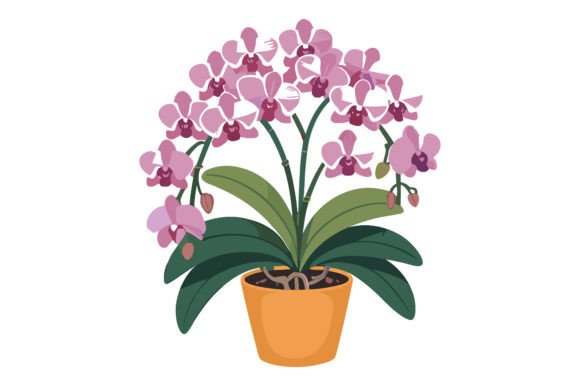
This isn't just another generic flower graphic; it is a modern line art illustration that feels tailored for the contemporary crafter. The clean lines suggest a minimalist aesthetic that is currently dominating trends in boutique branding and custom apparel. But does it hold up under the needle? That is the real question every designer asks before committing to a production run.
From Screen to Stitch: The First Impression
The visual personality of Orchid Vector is defined by its simplicity. In the world of machine embroidery, less is almost always more. This design avoids the trap of trying to be too intricate, which often leads to thread breaks or messy edges when stitched on smaller hoops. The silhouette captures the essence of the orchid without getting bogged down in unnecessary petals or complex shading that requires hundreds of color changes.
For an illustrator or a small business owner looking for design assets, this piece offers a versatile foundation. It feels right at home on a soft baby onesie, where delicate details can sometimes get lost in the fuzziness of the knit. However, it also possesses enough structural integrity to stand out on a sturdy canvas tote bag or a denim sweatshirt. The "trendy" aspect mentioned in the product description isn't just marketing fluff; the proportions feel balanced, allowing the negative space to breathe while the stitch work defines the form.
A Real-Life Scenario: The Boutique Tote Bag Project
To truly understand how Orchid Vector performs, imagine you are preparing for a local craft fair. You have a stack of high-quality cotton tote bags ready to go, and you want to create a signature item that customers will recognize instantly. You decide to use this design as the central motif for your brand's new summer collection.
Here is where the practical judgment comes in. When you place the embroidery file on the hoop, the silhouette looks crisp. Because it relies heavily on clean outlines rather than dense fill stitches, it is forgiving if your tension isn't perfect. On a light-colored bag, using a contrasting dark thread makes the lines pop with a sophisticated, hand-drawn feel. Customers aren't just buying a bag; they are buying a piece of art that looks professionally finished.
Contrast this with a scenario where you might try to use a highly detailed, photorealistic flower design on the same tote. The fine lines would likely blur together, losing the definition that makes the orchid recognizable. With Orchid Vector, the clarity remains intact even after multiple washes. This reliability is crucial for Etsy sellers and small shop products where returns due to poor quality are a nightmare. The design promises a professional finish that builds trust with your buyers.
Where to Exercise Caution
While this design is robust, no single machine embroidery design is a magic bullet for every situation. As an experienced reviewer, I must point out where Orchid Vector might struggle. If you are working with very small hoop sizes, such as those used for hat patches or jewelry boxes, the lines might become too thin to register clearly depending on the thread count. Always test the scale first.
Fabric texture plays a massive role in the final look. On stretchy knits like jersey t-shirts, the stability of the design depends entirely on the quality of your stabilizer. Without adequate backing, the clean lines of the orchid could pucker, ruining the elegant silhouette. Similarly, on textured fabrics like heavy bouclé or rough linen, the contrast between the thread and the fabric grain might soften the sharpness of the vector lines. In these cases, you may need to adjust your thread colors to ensure the design doesn't get lost in the weave.
Dense stitch areas are generally avoided in this file, which is a relief, but if you choose to add heavy fill stitches to the center of the orchid, you risk creating a stiff spot on garments like aprons or pillow covers. For commercial embroidery projects involving frequent washing, stick to the intended line work to maintain longevity. Also, be mindful of curved surfaces like caps; while the design is flexible, extreme curvature can distort the symmetry of the flower if not hooped correctly.
Impact on Visual Appeal and Brand Value
In the competitive world of handmade goods, presentation is everything. A well-executed embroidered patch or a perfectly stitched tote bag design elevates the perceived value of your entire product line. Orchid Vector contributes significantly to this perception. Its modern, clean look aligns with current consumer preferences for minimalism and sophistication.
When a customer sees a finished product featuring this design, they perceive it as thoughtful and curated. It signals that the maker cares about detail and aesthetics. This is vital for personalized gifts and wedding gifts, where the recipient expects a level of polish that mass-produced items cannot match. The design acts as a visual anchor, drawing the eye and creating a memorable impression that encourages repeat business.
Furthermore, for digital product sellers creating printable mockups, this vector allows for easy scaling and manipulation. You can present the design in various contexts—from a nursery wall hanging to a kitchen towel—without worrying about pixelation or loss of detail. This flexibility enhances your ability to market your services effectively.
Practical Designer Notes for Success
Before you hit the start button on your machine, there are several steps every professional should take. First, always test the design on scrap fabric. This simple step reveals issues with stitch density or thread tension before you commit to your final project. Check the contrast between your chosen thread colors and the fabric background; sometimes a design that looks great on a white monitor needs adjustment when stitched on navy blue.
Review the hoop size requirements carefully. While the file is scalable, ensuring the design fits within your machine's capabilities is essential for maintaining the integrity of the lines. Inspect small details closely; if the file contains any tiny gaps or loose ends, they may require manual cleanup in your digitizing software. It is also wise to test the design in black and white mockups to see how the shapes read without the distraction of color.
Finally, confirm your licensing terms. If you plan to sell finished products made with this embroidery project, ensure you have the commercial rights to do so. Using Illustrations and Graphics for resale without proper permission can lead to legal trouble. Make sure you understand whether the license covers digital downloads, physical goods, or both.
Orchid Vector stands out as a reliable, stylish choice for designers who value clarity and modern aesthetics. Whether you are crafting a holiday gift for a loved one or building a craft business around custom apparel, this design offers the versatility and elegance needed to succeed. By following best practices and understanding its limitations, you can turn this digital asset into a stunning, tangible reality.